
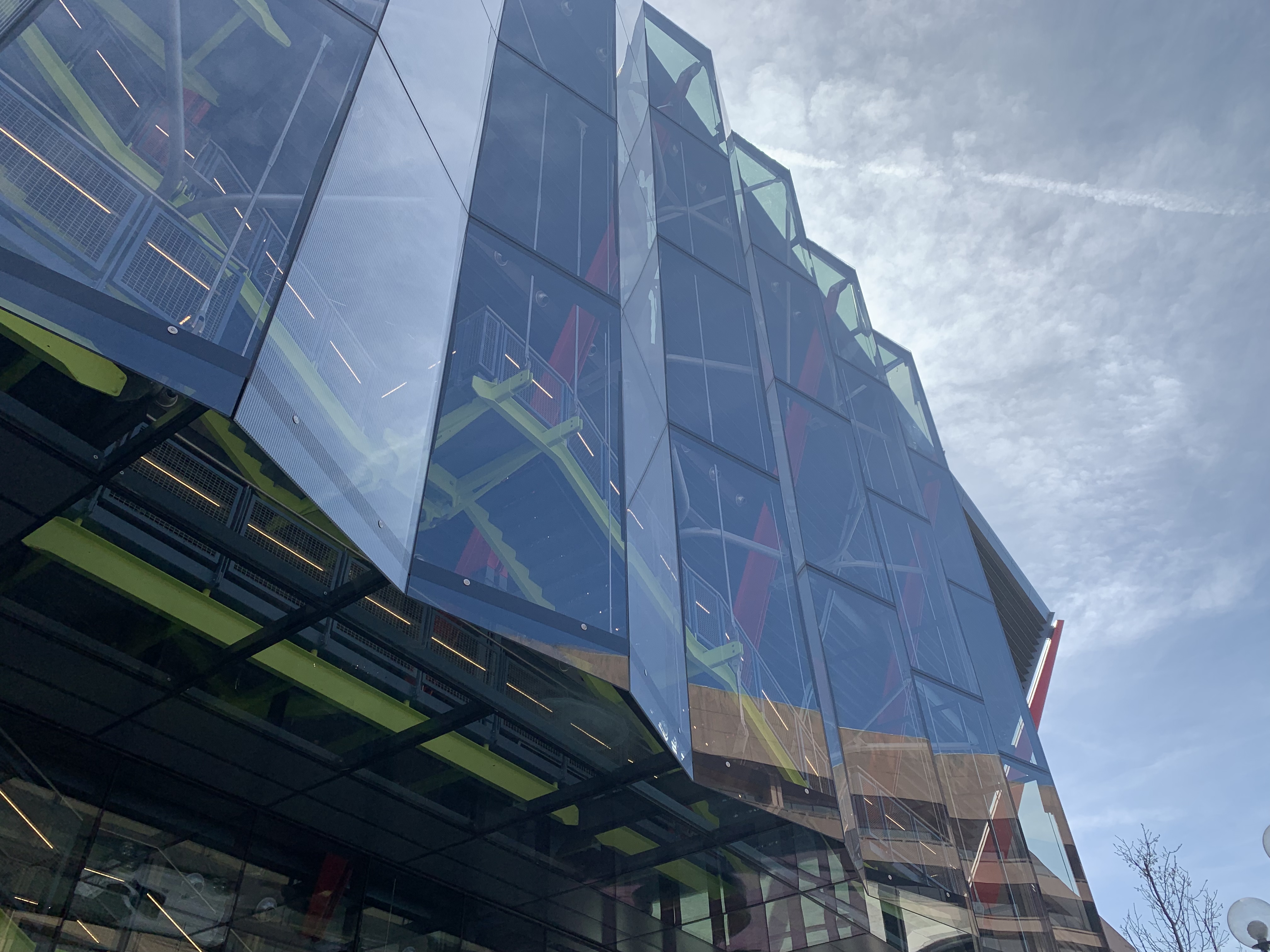
What a great way to wrap up our museum visits for the DC seminar with a visit to the brand new Spy Museum that we secretly got to tour. I say secretly because it is not open until May but, wow what a model modern museum it is! As a matter of fact, I would have loved to share some photos of the inside, but it’s still top secret until it opens (pun intended). These museum people have it down when it comes to the art of storytelling. They are really pushing the boundaries of combining education with fresh, and entertaining storytelling that gets visitors really involved.
I think the new Spy Museum is an excellent example of learning from successes and mistakes and re-inventing yourself as a museum. The old Spy Museum was a huge success but the problems of not owning that property and renting a building that had historical significance initially limited the museum’s finances and exhibit designs. When the rent got raised, it was unsustainable, even as a profit museum.
That’s when the Spy Museum board made the decision to build its own museum on property it owned and go from a profit museum to a non-profit museum. By creating their new museum from the ground up combined with 16 years of experience from the old museum that served as a catalyst to make it an incredibly unique experience. They have not failed if the reveal is any indication! Many other museums are not as lucky to have this sort of re-birth, and they have to continually shoe-horn their stories into antiquated spaces, tight budgets, lack of resources, or deal with all of these issues.
What I was most impressed with was the RFID experience where visitors get their own personal ID and build their experience. It is brilliant! While with their families or friends visitors can choose to get their own secret identity and go on a mission. Where that visitor goes and how they interact with the exhibits determines their personalized outcome. That builds on so many elements of an effective visitor storytelling experience. It directly involves each visitor, makes every gallery interactive and gives them a customized experience. If that weren’t enough the visitor gets to take their RFID badge home and continue the experience if they want to. That was my WOW moment. The Spy Museum is effectively bringing their museum back into the homes of visitors and continuing to give them a personalized experience. I know of no other museum that has even attempted this personalized experience from museum to home. They also succeeded in using low tech RFID technology that has been around but making the museum look very high tech in the RFID applications. Sometimes a museum experience is a little ‘smoke and mirrors,’ but that adds to the fun and entertainment value. This is a great example.
I am so happy with this museum. Despite the intense pressure to open in just a few months, their staff was gracious and humorous. I think that is also a valuable learning point. Our seminar class is also under our own intense deadlines for our group projects, but it pays to keep a level head and still laugh.
Since this is my last blog for the JHU DC Seminar I would like to thank my fellow classmates, JHU staff and the museums I visited for sharing so much of themselves and making me a better museum professional. It is an incredible group, and this experience will stick with me long after our goodbyes. I hope to keep in touch with all of you and wish you all the best of luck with your museum careers. We really did drink deeply of this city, didn’t we? Finally, I plan to keep this blog going and talk about things from time to time. I welcome your feedback!




 Dave's Museum Journeys